Originally published 5 December 2024 · Republished 15 May 2026 · 9 min read
Prostate cancer: the key questions to ask your doctor when facing a diagnosis
Sir Chris Hoy's prostate cancer diagnosis highlighted a growing trend of aggressive cases in younger men. Balancing early detection with informed choices is key to tackling the second most common cancer among men worldwide.

Written by Dr Sheel Mehta, Consultant Clinical Oncologist · MBBS, iBSc, MRCP, FRCR · GMC 7090316 · Reviewed 15 May 2026 · LinkedIn
Originally published on Bridgehead Communications. Republished here with permission.

Like me, I'm sure many of you were saddened to read the tragic news of Sir Chris Hoy's terminal prostate cancer diagnosis recently. It seems like only yesterday that we were sat in front of our TV screens cheering him on as he rode to victory at the London 2012 Olympics.
Sadly, Sir Chris Hoy's diagnosis is not unique. Instead, it is part of a rising trend of aggressive forms of prostate cancer, especially among young men, that I and many other doctors are seeing in our clinics on a regular basis.
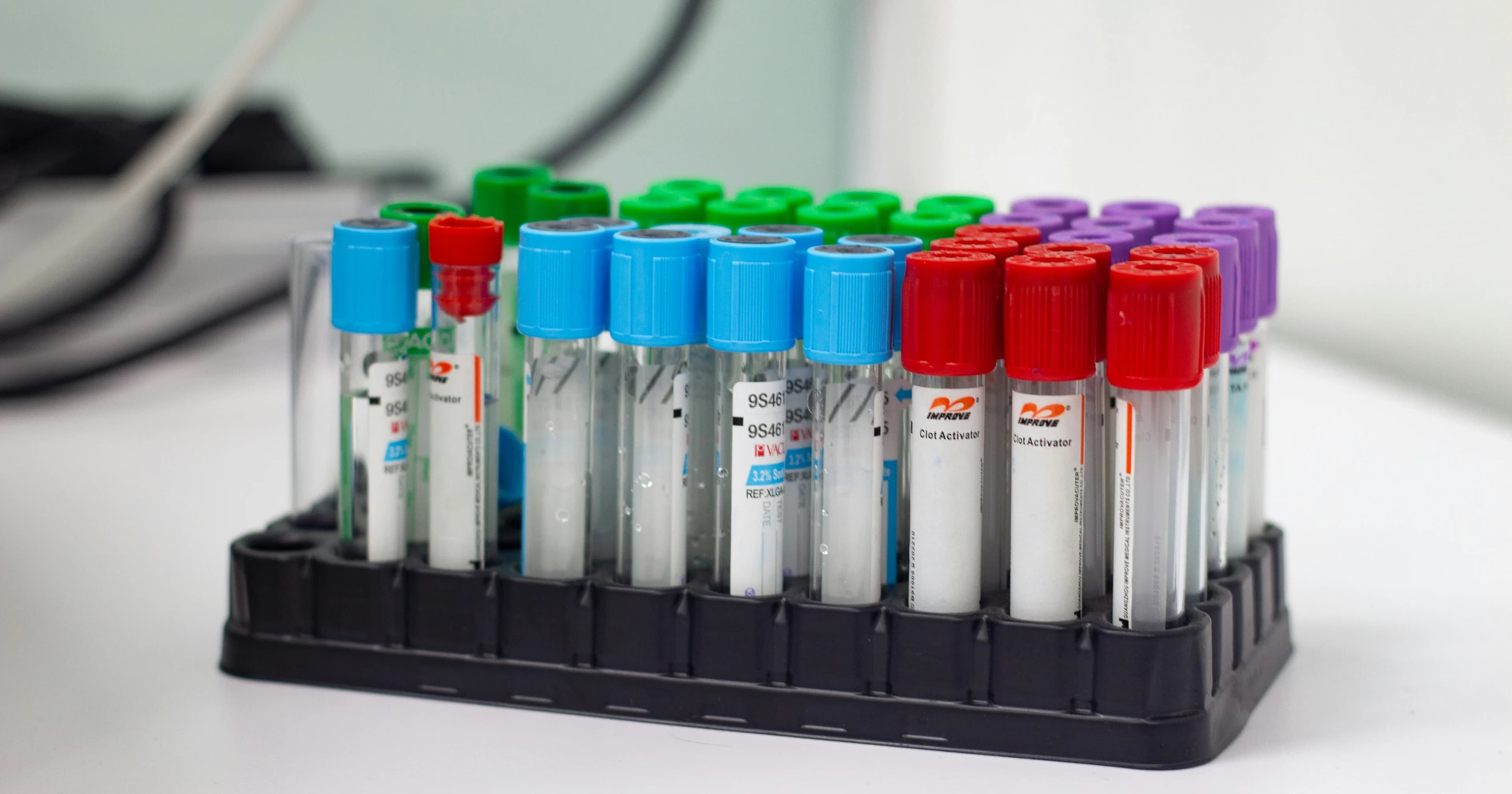
Prostate cancer is the second most common cancer among men globally. Sir Chris's diagnosis has prompted calls for screening of younger men for prostate cancer. Early testing can save lives, but it is not without its risks. The prostate-specific antigen (PSA) blood test, a common screening tool, can result in false positives, overdiagnosis, and unnecessary treatments, each with their own risks and side effects. Early detection is vital, but so too is having an informed conversation with your doctor about the pros and cons of testing.
To mark this year's Movember, a month devoted to drawing attention to men's health issues like prostate cancer, I thought it would be helpful to outline a series of things men can discuss with their clinician in the unfortunate event that they receive a prostate cancer diagnosis.
Understanding the diagnosis
One of the biggest challenges with prostate cancer is determining whether treatment is necessary. Not all cases are aggressive, and some grow so slowly they may never cause problems.
For some patients, especially older men, 'watchful waiting' may be most appropriate. For those with less aggressive cancers, what we call 'active surveillance' may be the appropriate approach. During active surveillance, a patient's cancer is closely monitored through regular PSA tests, MRI scans and biopsies. Treatment is only recommended if the cancer shows signs of progression.
However, for those diagnosed with more aggressive disease, treatment is often necessary. The key concern to discuss with your doctor is whether the cancer is curable. The prognosis and treatment plan depend on factors like the cancer's stage and grade.
Treatment options
Localised prostate cancer, when it has not spread to other parts of your body, is typically considered curable. Treatment options vary, each with its own pros and cons. Discussing these thoroughly with your doctor is essential to making an informed decision.
When it comes to treating prostate cancer, two of the main options are radiation therapy and surgery. Radiation therapy uses targeted radiation to kill cancer cells and comes in two main forms. The first, radiotherapy, involves directing high-energy rays at the prostate. Thanks to modern technology, this is now much more precise, minimising damage to surrounding tissues, and can be delivered in as few as five treatments.
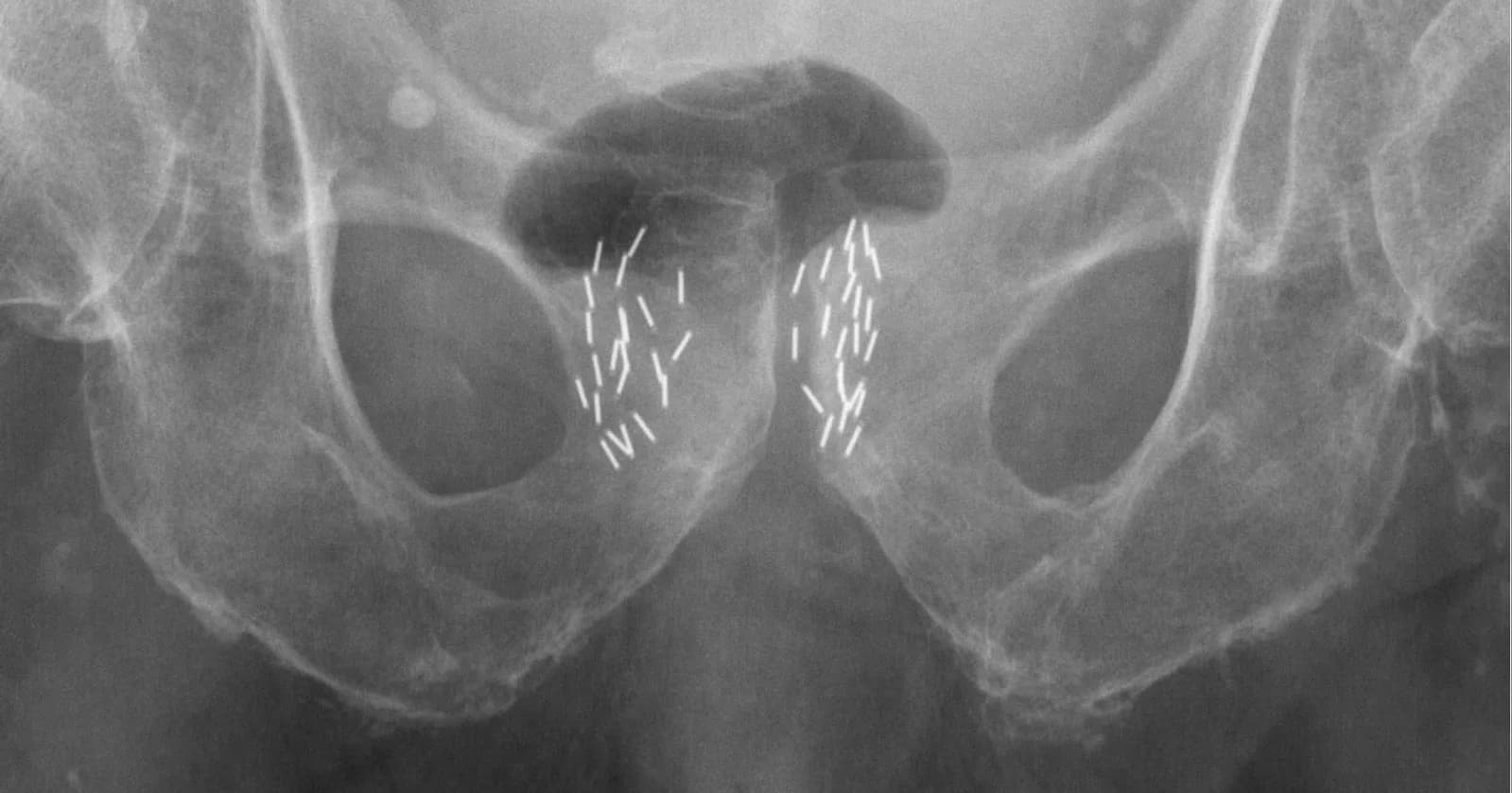
The second form is brachytherapy, where tiny radioactive seeds are implanted directly into the prostate. This approach delivers a concentrated dose of radiation to the cancer while sparing nearby areas. It is a less invasive alternative to surgery which can often be delivered as a day case procedure.
Your cancer is unique to you. Your treatment must reflect that. Honest, open conversations with your doctor can help answer big questions.
Both radiation options can however cause fatigue, urinary and bowel disturbance, as well as erectile dysfunction.
Having surgery to remove the prostate is another option for men with localised cancer. The most common procedure is what is called a radical prostatectomy, which involves removing the prostate entirely. Latest guidance recommends that this is carried out by a robotic-assisted laparoscopic (keyhole) surgery, which is a less invasive, modern technique.
Surgery does however carry risks, such as incontinence and erectile dysfunction.
Choosing between these options is highly personal and depends on the specifics of the diagnosis. A detailed conversation with your specialist clinician is essential to determining the best path forward.
Incurable prostate cancer
For those diagnosed with advanced prostate cancer, like Sir Chris Hoy, curative treatment may no longer be an option. However, effective ways to manage the disease are still available, focusing on slowing its progression, alleviating symptoms, and maintaining quality of life.
Prostate cancer often relies on male hormones, like testosterone, to grow. As a result, hormone therapy to suppress testosterone makes up the backbone of treatment. In some cases, hormone therapy alone can control the disease for months or even years by reducing male hormone levels or blocking their effects on cancer cells. Side effects include hot flushes, reduced libido, and bone thinning.
There is however increasing evidence that using an additional treatment alongside testosterone therapy, while it is still effective, can have better results. These can include drugs to block male hormones, chemotherapy, or sometimes even both. Both these treatment options are associated with side effects and it is important to discuss these with your doctor too.
The other group of very effective treatments available that you should discuss with your doctor are targeted radiation treatments that use a radioactive substance injected into you to target cancer cells.
Clinical trials
Clinical trials play an important role in developing prostate cancer treatment. They provide access to new therapies not yet widely available which may be more effective than standard treatments. For patients, participating in a trial can not only open doors to promising new treatments but also advance research that could shape the future of prostate cancer care.
It is especially important if you have advanced or treatment-resistant cancer to explore clinical trials, as they may offer solutions where standard treatments are insufficient. You should ask your doctor about eligibility and carefully discuss with them the risks and benefits of taking part. In some cases, clinical trials can be a lifeline for patients.
Personalised treatment plans
Your cancer is unique to you. Your treatment must reflect that. Factors such as general health, cancer stage, and personal preferences all shape the best course of action. Honest, open conversations with your doctor can help answer big questions: Is treatment necessary? Is the cancer curable? What is the best option for you?
The rise in aggressive prostate cancer among younger men is alarming, but there is hope. Proactive discussions and personalised care provide the foundations for effective treatment. Whether it is active surveillance, surgery, radiation, or a combination of treatments, informed decisions can help you and your loved ones face your diagnosis with confidence. Talking with your doctor about all available options, including clinical trials, can make a significant difference.
Discuss this with Dr Mehta
If you would like to discuss any of the topics in this article in a private consultation, please use the booking form.
Related reading