Published 15 May 2026 · 8 min read
PSA testing explained: what your results mean and what they don't
The PSA blood test is the most common screening tool for prostate cancer, but it is also one of the most misunderstood. Here is what the result actually tells your doctor, and what it doesn't.

Written by Dr Sheel Mehta, Consultant Clinical Oncologist · MBBS, iBSc, MRCP, FRCR · GMC 7090316 · Reviewed 15 May 2026 · LinkedIn
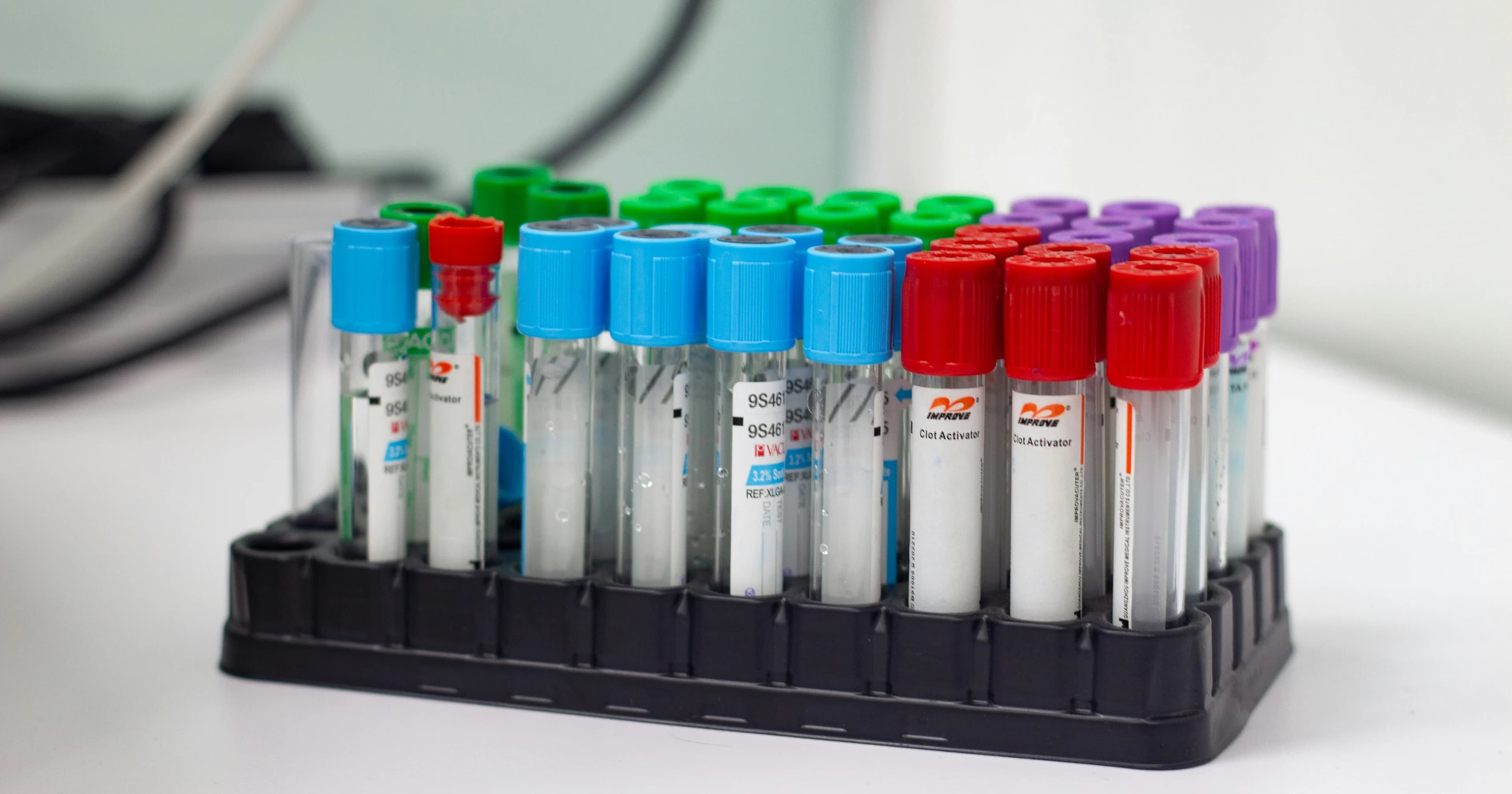
The PSA blood test is the most common screening tool for prostate cancer in the UK. It is also one of the most misunderstood. Every week in clinic I sit with men who have been told their PSA is "high" and have spent the days since in a quiet panic, and with men who have been told their PSA is "normal" and assume that means they are in the clear. Neither response captures what the test actually tells us.
This article is the explanation I find myself giving most often. It is general information, not advice specific to you. If you have had a result that worries you, speak to your GP or a urologist. The numbers below sit in a clinical context that only your own doctor can read.
What PSA actually is
PSA stands for prostate-specific antigen. It is a protein made by the prostate gland and released in small amounts into the bloodstream. The test measures how much of it is circulating, in nanograms per millilitre of blood (ng/ml). The prostate sits just below the bladder and produces fluid that forms part of semen. Both healthy prostate tissue and prostate cancer tissue can release PSA, which is the central source of the confusion.
Why we test it
A raised PSA can suggest prostate cancer, but it can also suggest a benign enlargement of the prostate (very common with age), an infection, recent ejaculation, vigorous cycling, or a recent procedure such as a urinary catheter. A "normal" PSA does not entirely rule out prostate cancer, particularly the more aggressive subtypes that release less PSA. This is the central trade-off of the test: it is a useful signal, but it is not a yes-or-no diagnosis.
What the numbers mean (in rough terms)
The reference ranges below are widely used in UK practice but are age-dependent. Your own doctor will interpret your result in the context of your age, family history, and previous PSA trend.
- Under 50: typically below 2.5 ng/ml
- 50–59: typically below 3.5 ng/ml
- 60–69: typically below 4.5 ng/ml
- 70 and over: typically below 6.5 ng/ml
A single elevated reading is rarely enough on its own to make a decision. The change over time, sometimes called PSA velocity, can matter more than the absolute number.
What not to do before a PSA test
If you are having a PSA test in the next few days, the following can affect the result:
- Avoid ejaculation for 48 hours before the test
- Avoid vigorous cycling for 48 hours before the test
- Postpone the test for 6 weeks after any urinary tract infection
- Postpone the test for 6 weeks after any prostate procedure including a biopsy
- Tell your doctor if you take finasteride or dutasteride, which can roughly halve the PSA reading
Following this guidance gives the test the best chance of producing a result that reflects your prostate, not your activities of the previous week.
What happens if your PSA is raised
A raised PSA usually triggers further investigation rather than immediate treatment. The current UK pathway typically involves:
- A multiparametric MRI of the prostate (mpMRI) before any biopsy. The MRI looks at the prostate in three dimensions and identifies suspicious areas. NICE guidance now recommends this as the first step in most men with a raised PSA, because it spares many men an unnecessary biopsy.
- A targeted biopsy if the MRI shows suspicious areas. This is now usually performed transperineally, which carries a lower infection risk than the older transrectal approach.
- Genomic and pathological assessment of any tissue removed, to determine how aggressive the cancer is if cancer is found.
This pathway is the result of a substantial shift in UK practice over the last decade. A raised PSA in 2026 leads to a more targeted, less invasive investigation than it did in 2010.
The case for and against routine PSA screening
The UK does not currently run a national prostate cancer screening programme. The reasoning is well documented: PSA-based screening detects many cancers, but a meaningful proportion of those cancers would never have caused a man harm in his lifetime, and the investigations and treatments that follow a positive screen carry their own risks. Routine screening saves lives, but it also leads to overdiagnosis and overtreatment.
For an individual man, the calculation looks different. If you have a strong family history of prostate cancer, are of Black African or Caribbean heritage (groups in which prostate cancer is more common and tends to be more aggressive), or have urinary symptoms that concern you, the case for testing is stronger. If you are otherwise well and have no risk factors, the case is more finely balanced. The right answer is rarely the same for any two men, which is why a conversation with your GP about your individual risk is the right starting point.
Common questions
Is the PSA test painful? No. It is a standard blood test taken from a vein in the arm.
Does a normal PSA mean I don't have prostate cancer? No, although it makes it less likely. Some aggressive prostate cancers release less PSA than typical disease, and a small number of men with prostate cancer have a PSA in the normal range. Symptoms or family history can override a reassuring PSA.
My PSA went up. Should I be worried? A single change is rarely enough to act on. Your doctor will usually want to repeat the test, often after several weeks, before deciding what to do next. PSA can fluctuate.
How much does a private PSA test cost in the UK? A private PSA blood test typically costs between £50 and £150 depending on the provider and whether it is part of a wider men's health check. NHS PSA testing is available free of charge in eligible men.
Should I have a PSA test if I have no symptoms? This is the most important conversation to have with your GP. The answer depends on your age, family history, ethnicity, and personal preference. Routine PSA testing is not currently offered on the NHS unless genetic tests have shown a faulty version of the BRCA2 gene, but any man can ask a GP about PSA testing, and the GP will discuss its benefits and risks with you before you decide (NHS: PSA test). The decision to take it should be informed, not automatic.
A note on what the PSA test cannot do
The PSA test is a screening tool. It cannot diagnose cancer, it cannot tell us whether a cancer is aggressive, and it cannot tell us where in the prostate any cancer is. Each of those questions requires further investigation. What the PSA test does very well is start the conversation. The job of the conversation that follows is to balance the risks of investigation against the risks of leaving disease undetected. That conversation is rarely simple, and it is rarely the same for any two men.
If you have had a PSA test result that you would like to discuss in a private consultation, please use the enquiries form.
Sources and further reading
Discuss this with Dr Mehta
If you would like to discuss any of the topics in this article in a private consultation, please use the booking form.
Related reading