Published 15 May 2026 · 7 min read
Brachytherapy for prostate cancer: a less invasive alternative to surgery
Brachytherapy uses tiny radioactive seeds implanted directly into the prostate. For many men with localised prostate cancer, it offers an effective alternative to surgery or external radiotherapy.

Written by Dr Sheel Mehta, Consultant Clinical Oncologist · MBBS, iBSc, MRCP, FRCR · GMC 7090316 · Reviewed 15 May 2026 · LinkedIn
If you have been diagnosed with localised prostate cancer, the conversation with your specialist will usually centre on three main options: active surveillance, surgery, or radiation therapy. Within radiation therapy, there are two further choices: external beam radiotherapy, in which high-energy rays are directed at the prostate from outside the body, and brachytherapy, in which the radiation is delivered from inside the prostate itself.
Brachytherapy is my clinical subspecialty, and it is also the option that men ask the fewest questions about, in part because it is less widely discussed than surgery. This article is an explanation of what brachytherapy is, who it suits, and what to expect.
What brachytherapy is
The word brachytherapy comes from the Greek "brachys", meaning short, in reference to the short distance over which the radiation acts. Tiny radioactive sources, often described as seeds, are placed directly into the prostate. They deliver a high dose of radiation to the cancer while sparing the surrounding tissues, which is the central advantage of the technique.
Two main forms are used in prostate cancer:
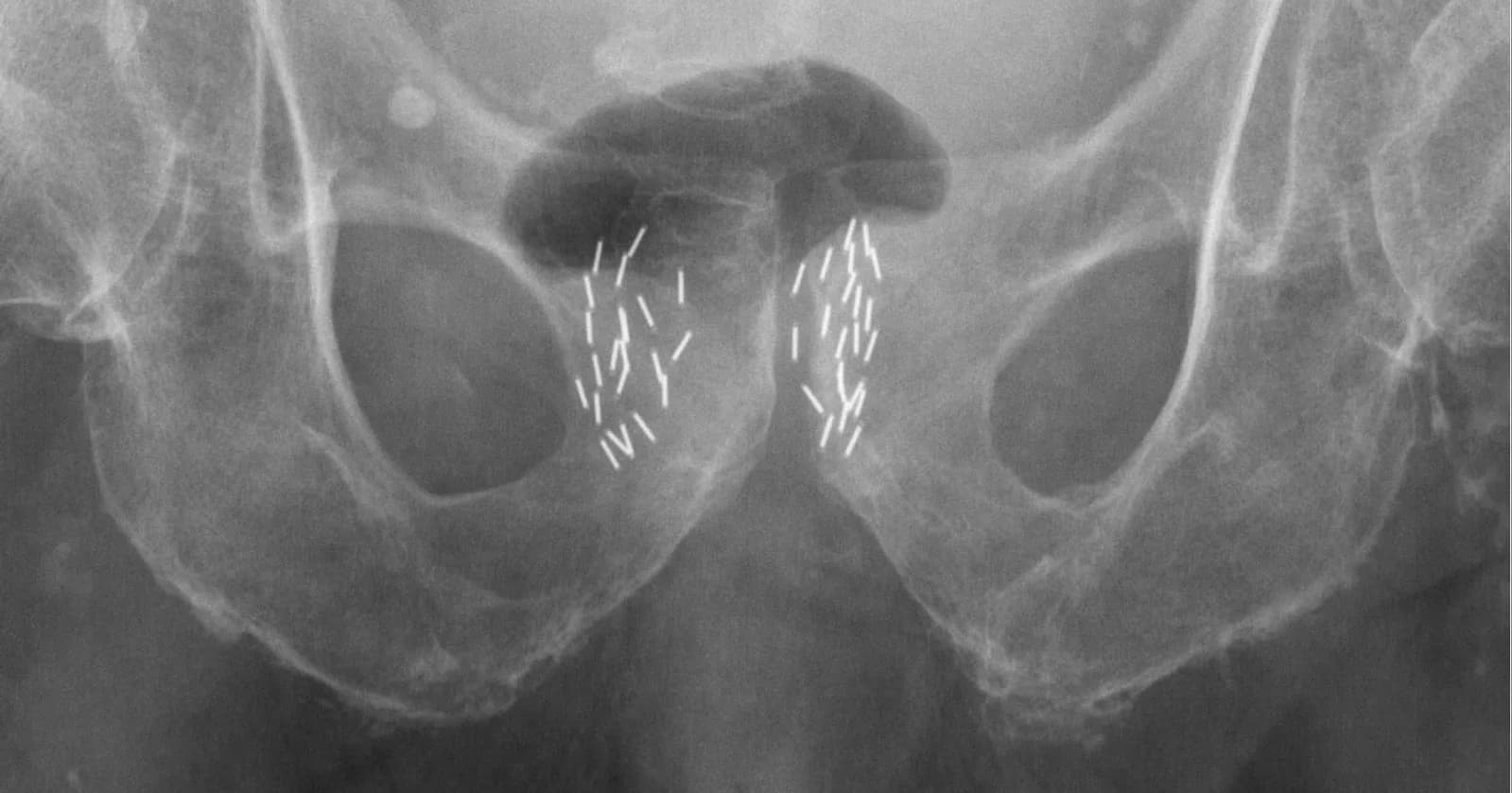
- Low dose rate brachytherapy (LDR) uses permanent seeds, each about the size of a grain of rice, that are inserted into the prostate and left in place. The seeds release their radiation gradually over several months, after which they become inert. The procedure itself is performed under a general or spinal anaesthetic, takes around two hours, and is most commonly a day-case procedure.
- High dose rate brachytherapy (HDR) uses temporary catheters that deliver a higher dose of radiation over a shorter period, with the radioactive source removed after each treatment. HDR is more often used in higher-risk disease or in combination with external beam radiotherapy.
The choice between LDR, HDR, or a combination depends on the stage and grade of the cancer, the size and shape of the prostate, and the man's own circumstances. The decision is made together with the specialist clinician.
Who brachytherapy suits
Brachytherapy is most commonly offered to men with localised prostate cancer of low or intermediate risk, where the cancer is contained within the prostate and is not behaving aggressively. The published evidence for LDR brachytherapy in this group is substantial. Recent work from the Royal Surrey group, including studies I have contributed to, has shown long-term cancer control comparable to surgery, with a different profile of side effects.
It is not suitable for every man. The size and shape of the prostate matters: a very large prostate, a previous transurethral resection (TURP), or certain anatomical features can make brachytherapy technically difficult or unwise. Men with significant urinary symptoms before treatment are sometimes advised against it because radiation to the prostate can temporarily worsen urinary flow. A specialist assessment is the only reliable way to know whether brachytherapy is right for you.
What to expect
For LDR brachytherapy, the typical experience looks like this:
- Before the procedure: A planning ultrasound scan of the prostate, sometimes combined with an MRI, is used to map the prostate in three dimensions. The clinical team uses this map to calculate the exact position of each seed.
- The procedure itself: Performed under general or spinal anaesthetic, the seeds are inserted through the perineum (the skin between the scrotum and the anus) using fine needles, guided by ultrasound. Most men have between 60 and 120 seeds placed, depending on the size of the prostate.
- Recovery: Most men go home the same day or the next morning. You will typically need a urinary catheter for a few hours after the procedure. Mild bruising, blood in the urine, and discomfort for a few days are common. Most men return to office work within a week.
- In the weeks that follow: A few sensible precautions apply for the first two months, particularly around close prolonged contact with pregnant women and young children, because of the very small amount of radiation that can be detected close to the body. The team will give you specific written guidance.
For HDR brachytherapy, the procedure usually involves an overnight stay and the treatment is delivered in one or two sessions through the same catheters. The recovery period is similar.
Side effects of brachytherapy
No prostate cancer treatment is free of side effects. The honest comparison is between different patterns of side effects, not between perfect and imperfect options.
The most common side effects of brachytherapy are:
- Urinary symptoms. Increased frequency, urgency, and a slower flow are common in the first few months. These usually settle, although a minority of men have longer-lasting symptoms.
- Erectile dysfunction. The risk is lower than with surgery in most studies, but it is not zero. The effect tends to develop gradually over months rather than immediately.
- Bowel symptoms. These are uncommon with brachytherapy compared with external beam radiotherapy, because the rectum receives a lower dose.
- Fatigue. Mild and usually short-lived.
The pattern of side effects is the central reason a man might choose brachytherapy over surgery, or vice versa. Surgery removes the prostate, which generally means a faster return to a clear PSA but a higher early risk of incontinence and erectile dysfunction. Brachytherapy preserves the prostate, which generally means more urinary symptoms in the first few months but a different long-term profile.
How well does it work
For carefully selected men with low and intermediate-risk localised prostate cancer, the published long-term outcomes for LDR brachytherapy show cancer control comparable to surgery and to external beam radiotherapy. The Royal Surrey series, one of the longest-running in the UK, has shown five-year relapse-free survival of 97% in both whole-gland and hemi-gland treatment groups. These are encouraging numbers, but they apply to carefully selected patients with carefully delivered treatment. They are not a guarantee for any individual man.
Common questions
Is brachytherapy a one-off treatment? For LDR, yes. The seeds are placed in a single procedure and remain in place. For HDR, treatment is usually delivered in one or two sessions.
Will I be radioactive afterwards? A very small amount of radiation can be detected close to the body for the first few months after LDR brachytherapy. The team will give you written guidance on sensible precautions. You will not be radioactive in any meaningful sense to people you walk past or sit with.
Can I have brachytherapy on the NHS? Yes, in selected centres. The Royal Surrey is one of the longest-established UK centres. Private brachytherapy is also available, including at GenesisCare Surrey.
How is brachytherapy different from external beam radiotherapy? External beam delivers radiation from outside the body across multiple sessions, typically over a few weeks. Brachytherapy delivers the radiation from inside the prostate in a single procedure (LDR) or one or two sessions (HDR). The choice depends on the cancer and the man.
If you would like to discuss whether brachytherapy might be appropriate for you, please use the enquiries form.
Sources and further reading
- Prostate cancer: diagnosis and management (NG131) · NICE
- Prostate cancer: treatment · NHS
- Net survival of men with localized prostate cancer after LDR brachytherapy (Brachytherapy, 2024) · PubMed
- Long-term survival after low-dose-rate brachytherapy for prostate cancer: the Royal Surrey experience (BJU International, 2022) · PubMed
- Is hemi-gland focal LDR brachytherapy as effective as whole-gland treatment for unilateral prostate cancer? (Brachytherapy, 2022) · PubMed
Discuss this with Dr Mehta
If you would like to discuss any of the topics in this article in a private consultation, please use the booking form.
Related reading